Bridging the Gap Between Evidence and Practice for Traditional Medicine-Based Diabetes Care in Nepal
Dr. Kaushik Chattopadhyay, Nottingham (UK)
This project brought together a multidisciplinary team from Nepal, India, and the UK to translate research evidence into clinical practice for the management of type 2 diabetes using Ayurveda, a traditional system of medicine. We conducted a systematic review of the evidence on Ayurvedic medicines, developed an evidence-based clinical guideline for Ayurvedic practitioners, and evaluated the feasibility of implementing the guideline in routine practice in Nepal. The findings demonstrated that evidence-informed Ayurvedic diabetes care was both feasible and acceptable, highlighting the potential to strengthen the quality and consistency of diabetes care through evidence-based approaches in traditional medicine.
Clinical Trials on Mangosteen in Psychiatric Diseases
Prof. Dr. Olivia Dean, Melbourne (Australia)
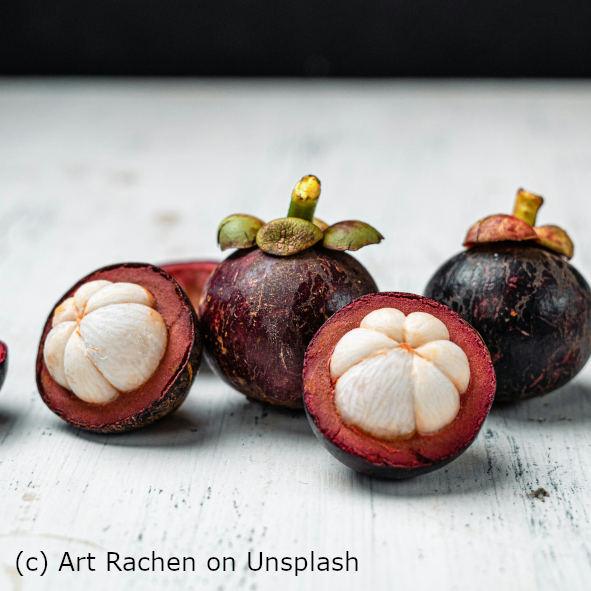
Mangosteen is a fruit grown predominantly in South East Asia and the pericarp has been used in traditional medicines. Recently, two clinical trials have been completed in people experiencing schizophrenia and bipolar disorder who took adjunctive mangosteen pericarp in addition to their usual treatment. There were some positive effects on affective domains in trial for schizophrenia. This led to the development of the successful trial in bipolar depression. The findings of these trials and additional information regarding the bioactive properties and secondary clinical outcomes will be explored.
Phytotherapy in German and International Medical Guidelines – From Traditional Medicine to Evidence-Based Practice
Prof. Dr. Jost Langhorst, Bamberg (Germany)
Background and Objectives: Phytotherapy has been an integral part of traditional medical systems for centuries. In recent decades, selected herbal medicinal products have increasingly been evaluated according to modern clinical research standards and incorporated into evidence-based medical guidelines. In Germany, the Society for Phytotherapy (Gesellschaft für Phytotherapie, GPT) is a member of the Association of the Scientific Medical Societies (AWMF) and actively contributes to guideline development. This presentation provides an overview of the role of phytotherapy in selected German S3 guidelines and international recommendations.
Methods: The presentation summarizes activities of the GPT Task Force on Guidelines and selected recommendations for herbal medicinal products in national and international guidelines, focusing on psychiatry, gastroenterology, pain medicine, oncology, and infectious diseases.
The seminar will be held online via Zoom. Participation is free. Please register here.